






to QRZ
Latest Awards




Trials & Errors #80 - Amateur Radio Battles Through Difficulties
There were a number of battles fought in the early years of amateur radio that were critical to the way that we operate today. In this column, I'll give you a short recap on the history of these issues and then conclude by asking my readers a difficult and perhaps controversial question. Even if you aren't a fan of the ancient past, read this and see how important it was for amateur radio enthusiasts to band together and fight off our adversaries. History has the nasty habit of repeating itself regularly.
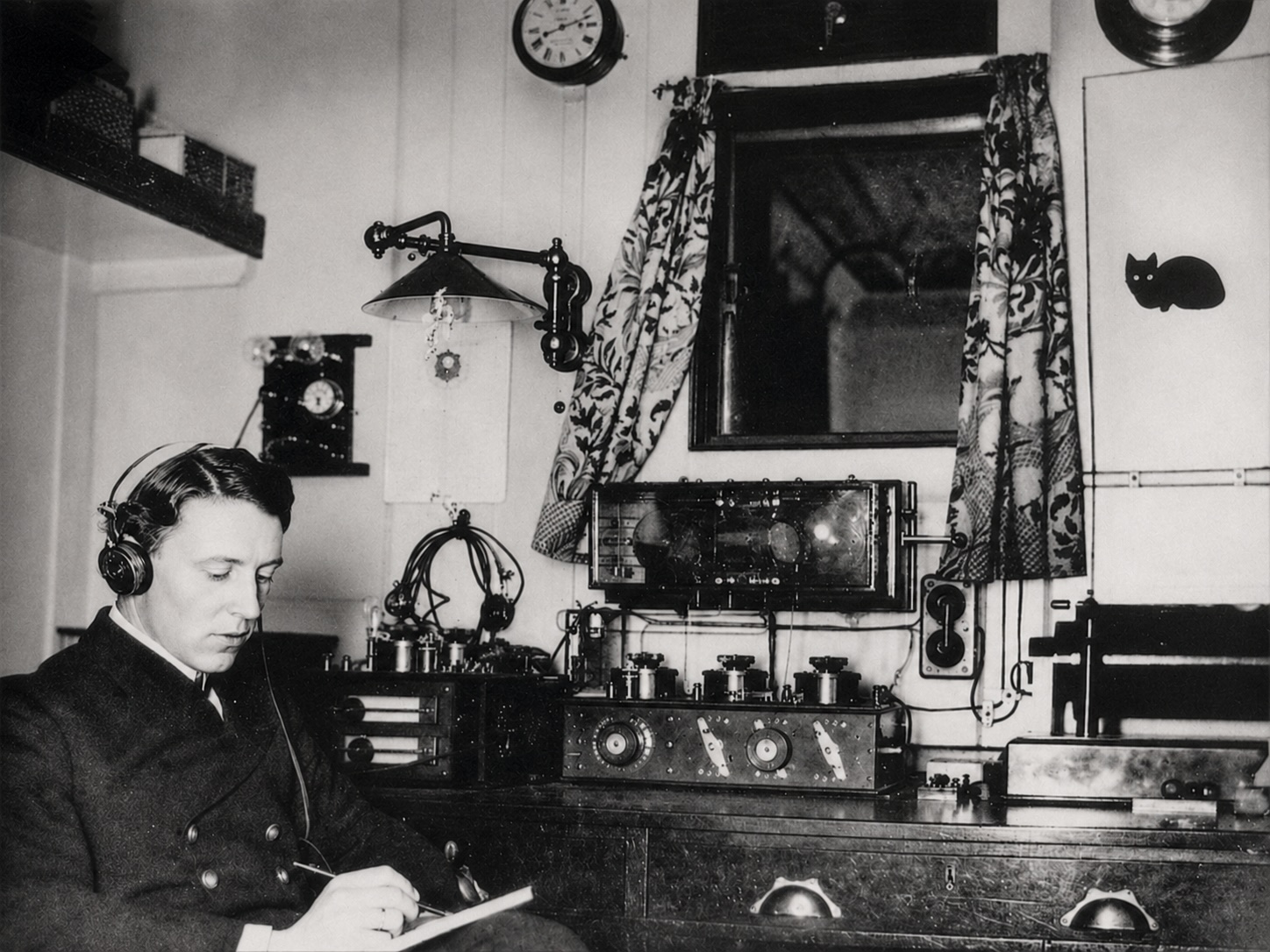 One of the first pieces of legislation which affected the use of radio frequencies was the Radio Act of 1912. At the time, it looked as if the primary use of radio would be maritime safety. (The Titanic disaster... See photo to the left of SS Olympic radio room, a sister ship). Governments around the world felt that they must lay down a set of rules upon which amateurs could use their stations, and before 1912 the USA had unrestricted airwaves while Europe did not. This resulted in a licensing scheme for all.
As there had been a number of embarrassing stunts pulled by "radio boys" that had blackened the eyes of the U.S. hobbyist, this legislation proved easy to pass. The "Wild West" atmosphere of radio became a bit more tame, but it wasn't until the outbreak of World War I that it was really tamped down.
As you may already know, during wartime amateurs were forced to close up their stations -- both transmitters and receivers. It was quiet time all over the planet as the various belligerents closed down their country's airwaves and used the frequencies exclusively for the war effort. During those years there were dozens of USA radio amateurs who were brought on board the war effort and given significant roles in battlefield communications. Of particular note was Major Edwin Armstrong, who used his time in the military to develop the superheterodyne concept. His technology was critical to the war effort -- and just one example of how radio continued to develop even as experimentation moved from the amateur world to the military.
 The Power of Collective Action
On November 11th of 1918, the armistice was signed and the hostilities were over. But for amateurs, the battle continued because it was at this point that a long, drawn-out process began of conferences, discussions and continued delays. Amateur radio was out of business, and no one could get back on the air until the question of "Who is responsible for the airwaves?" was answered.
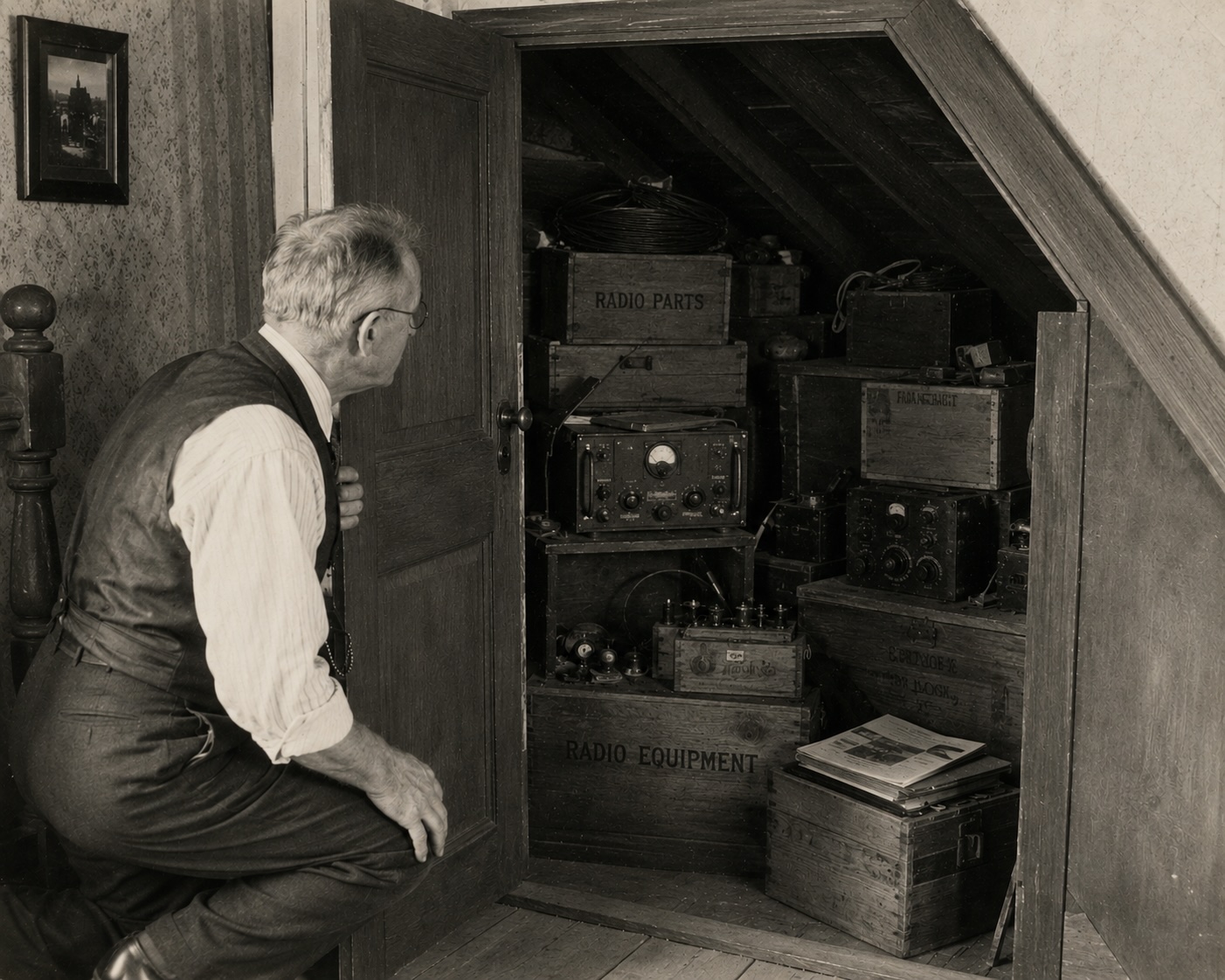
Not even a receiver could be plugged in during this period, and operators young and old were chomping at the bit to get their gear out of storage and put that antenna back up in the yard. People were dusting off the gear and preparing to crank it up when peacetime came, but the word never got out that it was OK to plug it all back in. That's when the power of collective action proved that there's something powerful that happens when one voice becomes a hundred, and a hundred becomes ten thousand.
The ARRL, just four years old in 1918, realized that it would be necessary to turn their amateur members into lobbyists, and for a time that's exactly what they did. By getting the word out, and by a direct mailing to the entire membership across the States, the league generated a huge word-of-mouth effort and letter writing campaign. As Clinton DeSoto described it in his book 200 Meters & Down, "Many a shaky plea came from mothers whose sons had been killed in the war, asking for the preservation of that which theirs would never enjoy again." These mothers' efforts, in combination with a few congressmen who stood behind the amateurs, led to the destruction of legislation that would have given the US Navy total control of the airwaves.
The Radio Act of 1912 was a loss for amateur radio, despite the larger numbers of amateurs at the time. But in 1918 the amateurs walked away with a win, completely blocking the attempts by Secretary Daniels of the Navy to take control of the air. As DeSoto postulates, "The reason lay in the fact that over the previous years a strong, national organization had been built up -- an organization which could fight the battle that could not be fought by individual amateurs." In other words, it was the first example of how collective action came to benefit the amateur radio experimenter and hobbyist.
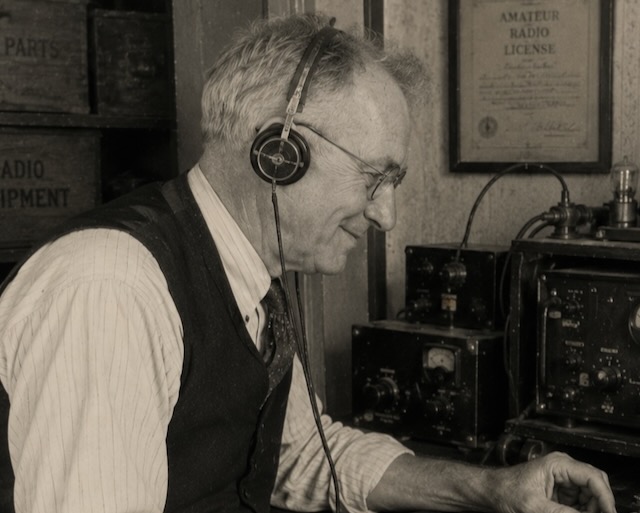 Five months later, on April 12th, 1919, the USA government announced that amateur receiving would be allowed again -- but no word followed on transmitters . . . there would be no amateur transmissions until a formal peace was announced by the President. Amateurs brought their stations out of attics and closets and plugged in, pulling down commercial and government stations from newly strung antennas. The sound of code was, once again, filling the airwaves. Little did hobbyists know, but Secretary of the Navy, Mr. Daniels (who always seemed to have it in for amateurs) was working away at yet another piece of legislation that would effectively limit the use of radio to the military and commercial. It was also shot down without going anywhere, and finally he was put on the spot with a House resolution that amateur radio needed an answer to the "transmitting question." On September 26th of 1919, Daniels released amateurs to turn on their transmitters. A collective sigh and ham radio was back on the air.
How Do We Protect Our Interests as Individual Hams?
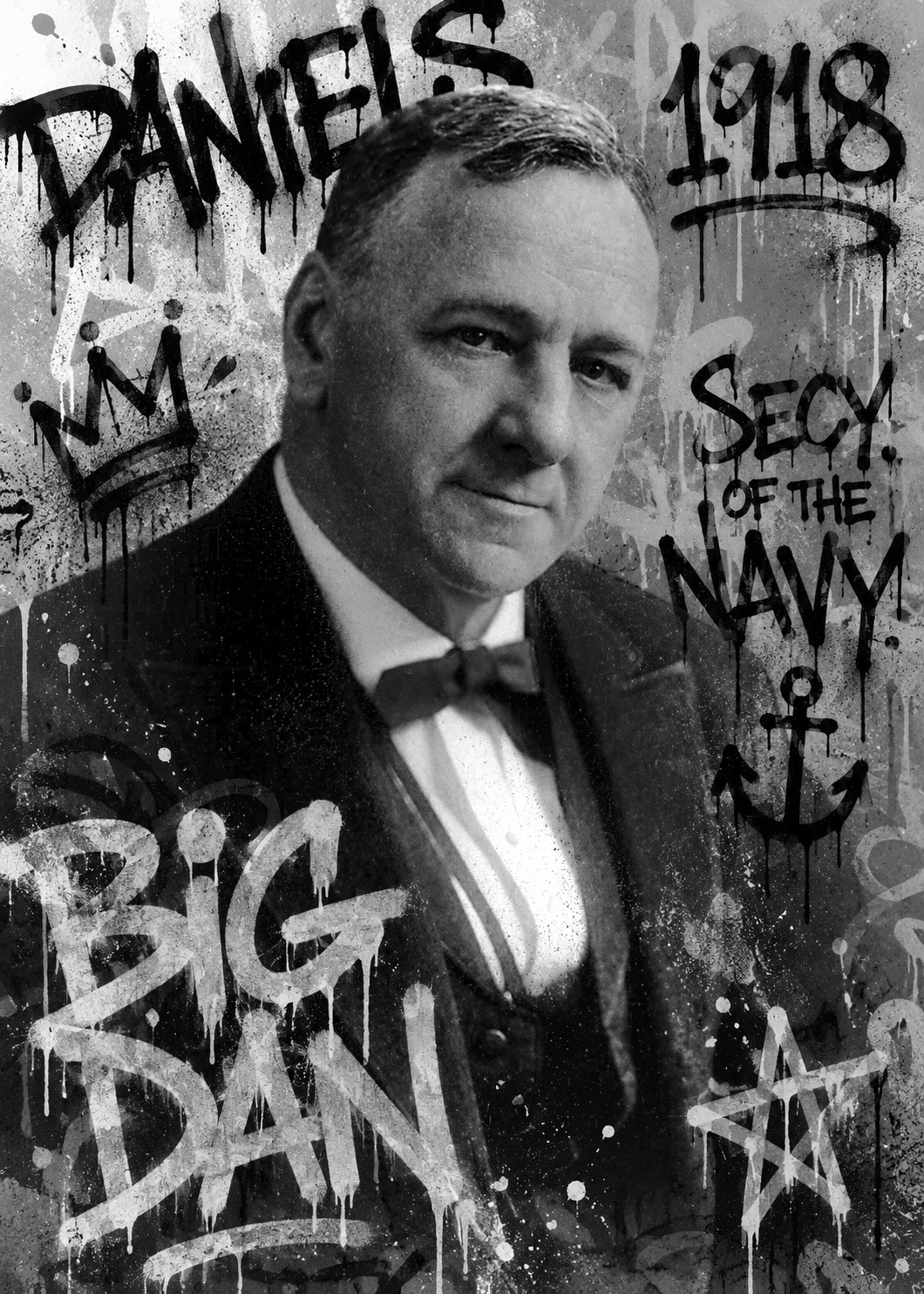
Things have changed dramatically in our perception of how we should protect our interests. In many ways, I believe we have become complacent. Perhaps it is because radio frequencies have taken second fiddle to the Internet (or maybe it's just that "tech" is so much cooler than radio) but there is a feeling today that we don't need to stand together. We don't have a common enemy any longer . . . there's no Secretary Daniels trying to wrest the control of our airwaves out of our hands (see his photo at right as he might have been seen by the "radio boys" of the time.)
 Instead, there are much smaller matters to deal with. Perhaps a private corporation, bigger than our entire industry, decides that they need a piece of spectrum for one purpose or another. It's just a nibble at the edge of one of our protected bands, but it would be an easy win as we don't have the numbers or the will power to stand up against it.
I've advocated for the Spectrum Defense fund at the ARRL in the past in this column, and I would do so again. But when you look at any QRZ discussion about thoughts on the League, it's more of a emotional roller coaster for the participants than honest debate. It seems to me as if we'll always need some kind of national organization to protect us from the changes that could come our way -- but I'm certain that my thoughts are in the minority.
With diminishing interest in collective action and "for the good of amateur radio" thinking, we've become a group of individuals. It's happening in society in general, but it's particularly noticeable in amateur radio. We're focused on our differences and what makes us individually unique and we've lost the sense of togetherness that has protected us since the Radio Act of 1912 and the many ups-and-downs we've weathered since then. Many of our successes in the past have been due to the ARRL. Has the League lost its way and are they partially behind the problems I've identified here? Perhaps so. But it is still incumbent upon us, those who love the radio waves and who consider them an important part of our lives and a safety net for our communities, to pull together and to fix what ails us. We're hams -- if something is broken, we fix it.
 I call upon my readers to discuss this in the open forum that follows in a respectful and professional manner (despite my somewhat silly defacement of Sec. Daniels photo). Thanks for allowing me an opinion today, and I'd love to hear yours. Please add your thoughts on the topic to the forum below, or any questions or comments about the history I've illustrated above.
73 for now, Dave W7DGJ