


to QRZ
Latest Awards




Trials & Errors #71 (01/05/26): Mentors or Elmers? Optimize the Process
In a recent column, I wrote about the radio mentoring process and how both in-person and Internet "Elmers" can aid in your development as a radio operator. We had lots of commentary in the forum afterwards, with most of those being personal reflections. Over the last few years there has been more and more objection to the term "Elmer," so I'm going to stick with the more neutral "Mentor" here (please, no offense intended by my graphic, as I am an "Elmer" too). If you're a diehard supporter of the term "Elmer," let us know in the attached forum discussion but be prepared for an argument with those who feel it has become an archaic and distracting part of ham radio.
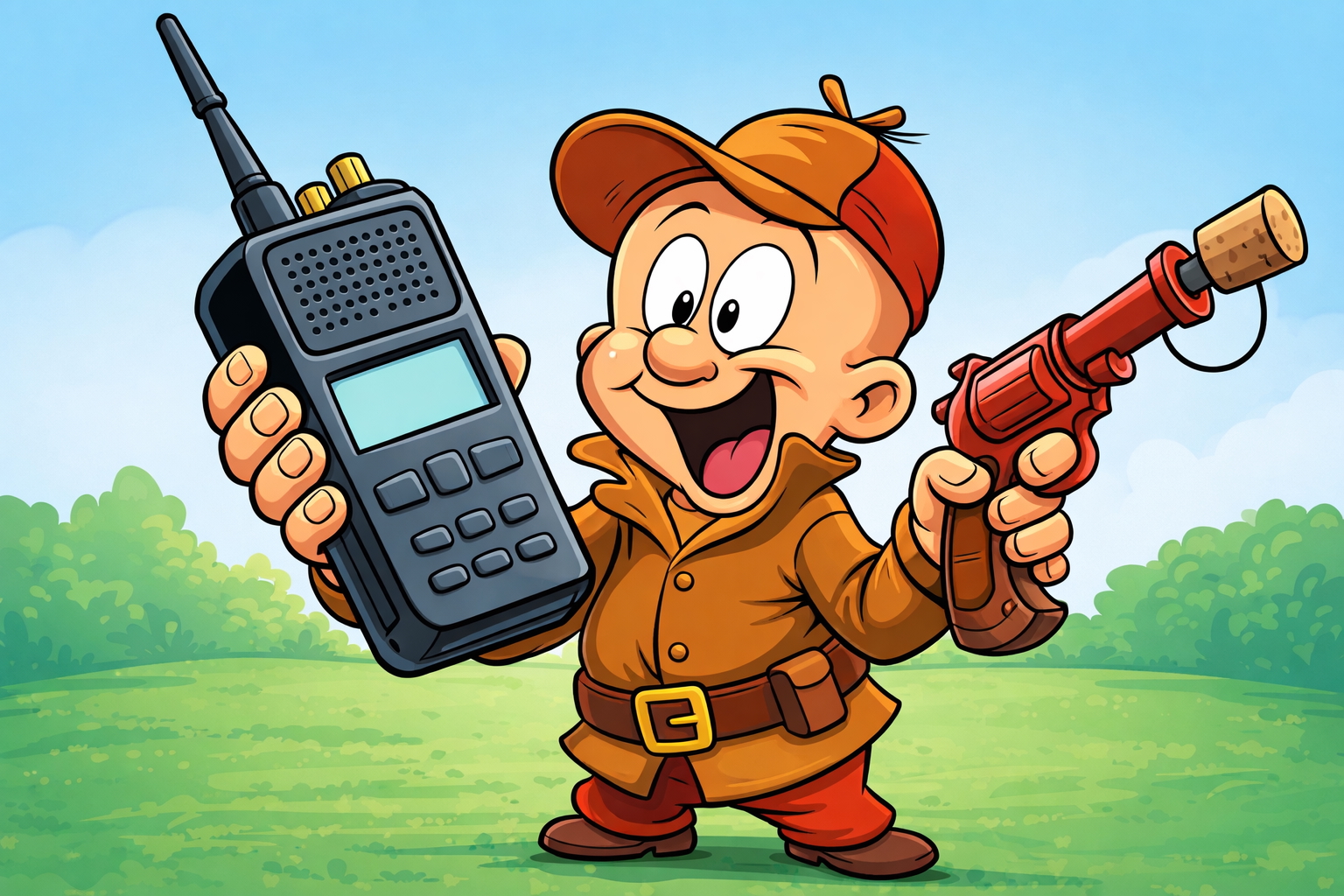 In this month's column, I'm going to provide a general framework for building on that important relationship between a mentor and his or her protégé. It's a critical part of becoming a ham.
If we look at the statistics for this column, our readership is either of the age and experience to already be mentors or they are up-and-comers who should be connecting with that group.
In fact, the attached discussion could form a meeting ground for those who wish to connect for this purpose. Distance doesn't matter so much anymore since we have all these communication tools that put each other in the same "room" no matter our locale. If you're open to answer a few questions or need some guidance on a particular topic, please note it in our forum!
First Thing: Avoiding Bad Advice
There are lots of voices out there talking about what they like, what they don't like, and how to do just about everything it takes to get on the air. The problem is that some of that info floating around is bogus. That's right -- perhaps just slightly misstated and then misinterpreted by the listener. Other bad advice stems from people pushing one product or another, and then another piece might be complete BS. Even in a local meeting for a ham club it is possible to get truly incorrect "advice," so lesson #1 is to learn to discern the good from bad advice.
That's tough to do, however, when you're still feeling your way around on a topic. You may have to dip back into your ham radio license theory and training just to ensure that what you heard makes sense.
I'm not talking exclusively about mentoring new operators here . . . Anyone can need a mentor, even with years behind them. Amateur radio is a broad area of interest and there are many side-alleys and directions to take up. I've been a ham for years, but what do I know about working satellites? Not much. I need to find a mentor to at least get me started, because I just don't trust YouTube to give me all that I need on that subject.
That's why it's so critical to check the past history of your probable mentor to see how others have fared using his or her advice. When I recommitted to setting up another station during COVID, I reached out through my local ham club to a guy who had a great reputation locally. He was kind, generous with his time, and everything I learned from him proved later to be "right on the money." But on another topic (an antenna installation) I leaned on another ham who gave me a few minutes and an offhand comment or two and then sent me on a goose chase by delivering incorrect information that I could have done without. My lesson learned was, "Don't trust offhand comments -- always research first before taking action."
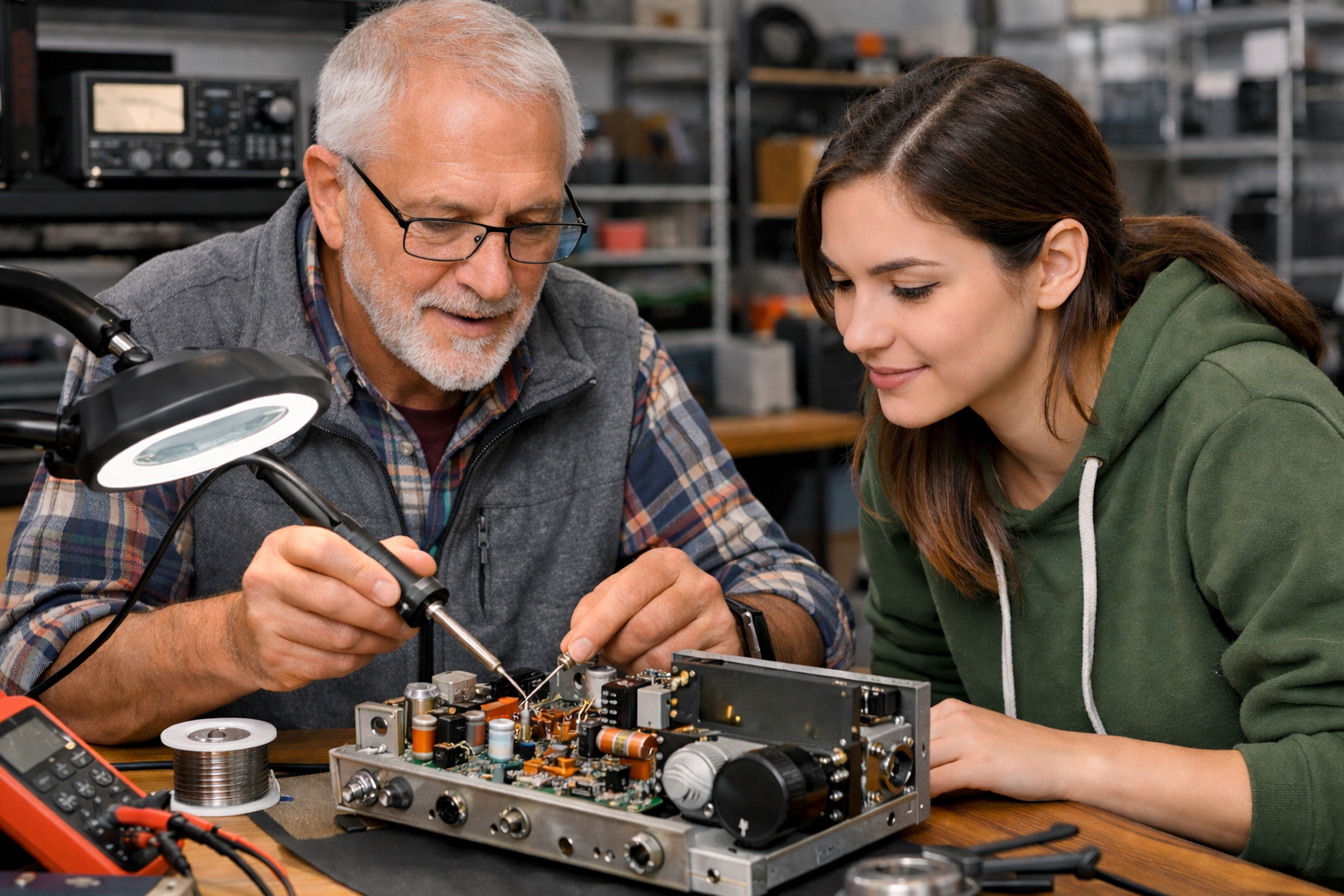 Questions to Ask Yourself if Considering Mentoring Another Ham
As with everything else we do, whether you are gainfully employed or enjoying a leisurely retirement, the cost of jumping in to ham mentorship has to be considered. That boils down to the time you'll need to invest. Time is the ingredient that we only have so much of. We might have plenty of knowledge, but only so much time. Therefore, think first about what the commitment might be when you are approached about helping another ham on a topic of your general know-how.
Here's where it's easy for a young person to reason, "Hey, he's retired and he's got nothing but time on his hands." If you're like me, you realize that this is often NOT true. Yes, a person can be retired, but the number of responsibilities outside of a job seem to multiply exponentially once you've taken the first step out of that 40+ hours a week schedule. For me, I'm a medical caregiver, I write this column, I have a zillion appointments every week for both myself and my XYL . . . in short, time is scarse. I know that because the time I've logged lately in my shack is dismally pathetic.
I'd suggest that anyone considering being a mentor ask themselves, "What is the topic and how much time will I have to give it?" If it's a newcomer needing help cutting their first dipole for 20m CW, perhaps that's not that big of a time commitment and it would be a fun and easy afternoon to complete. But if it's "teach me CW" that's another story entirely.
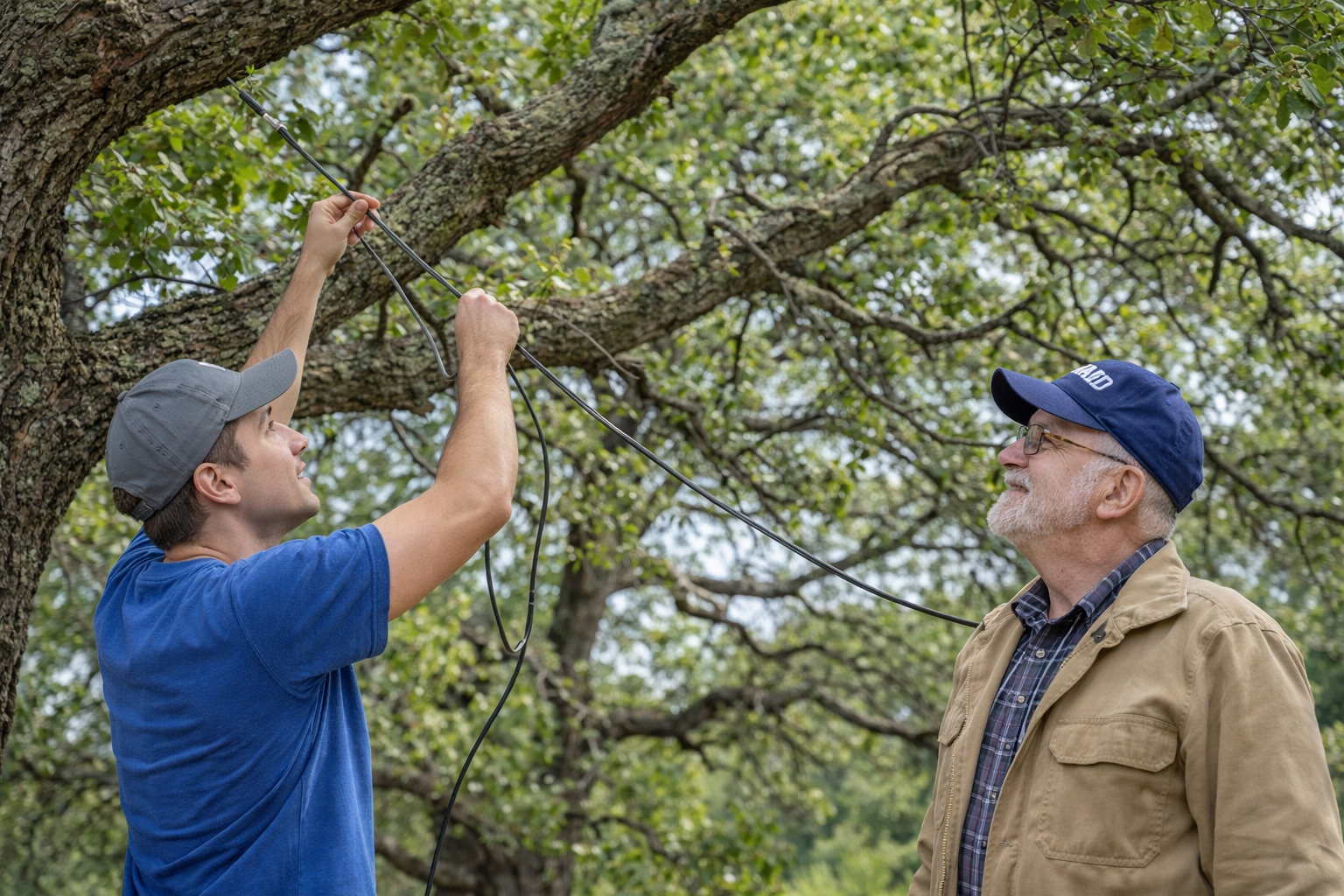 That's where your level of passion and interest come in. If someone came to you for help in learning CW, you may be the kind of ham who just loves the code and you know that getting a young guy into the topic is a joy. Sure - it's a big deal of a commitment, but it's also a barrel of fun to watch (and hear) them develop their fist. On the other hand, perhaps someone comes to you and needs help in building a solid-state amplifier. You absolutely hate to solder and following schematics is just plain torture. Sure, you could do it, but where's your passion level -- is it half of the 150% you'd put out for the future CW operator? If so, than pass on it completely and offer up a name or two of other hams who you know would love to roll up their sleeves and burn a few coils of resin.
Questions to Ask a Prospective Mentor
Many people, myself included, come into radio because someone they already know caught their interest somehow. For me, it was two paraplegic hams who couldn't walk and even had difficulty talking, but WOW could they move their fingers on a CW key. The mysterious "secret language" of the code inspired me to want to learn more and I had no trouble getting licensed because I had such great tutors. But shortly afterwards, when I was on my own, I reached out to another guy for some help with a HeathKit that I was building. My first year of ham life had me thinking that everyone in the hobby was a kind gentleman with the patience of those two initial mentors. While I did get some help from the other ham I reached out to, he later presented my Dad with an invoice for his time in helping me with the HeathKit. In fact, his "bill" was greater than the cost of the kit. I was ashamed to have assumed that he was mentoring me out of the kindness shown by other hams.
The lesson here was that there needs to be a clear understanding of what you're asking when you approach a mentor (Elmer) for assistance. Speak in the clearest way you possibly can . . . for example, "John, I've got my wire purchased and my coax ready to go, and I think I understand the formula I learned by studying for the license exam. But what I need at this point is some help in putting the pieces together and ensuring that my SWR is as low as I can get it. Would it be possible to ask you to look at what I'm assembling?"
In other words, define exactly where you are in the process, what you intend to do next, and what expectations you might have if the other fellow decides he can indeed assist you with your goals. Clarity and setting the stage properly for your interactions will ensure it's smooth for both of you.
Another aspect of working with a mentor is how they like to communicate. For example, for me, I am an emailer and I use texting as well. As I spent most of my work life over 40 years on the telephone, I shy away from intensive phone calls. I'd much rather reply to an email or text and keep the project going that way, while another Mentor might absolutely hate getting the computer out and instead would prefer to just pick up the phone when needed. The point is, learn this in advance so you don't step on any toes later in your relationship.
 In Conclusion
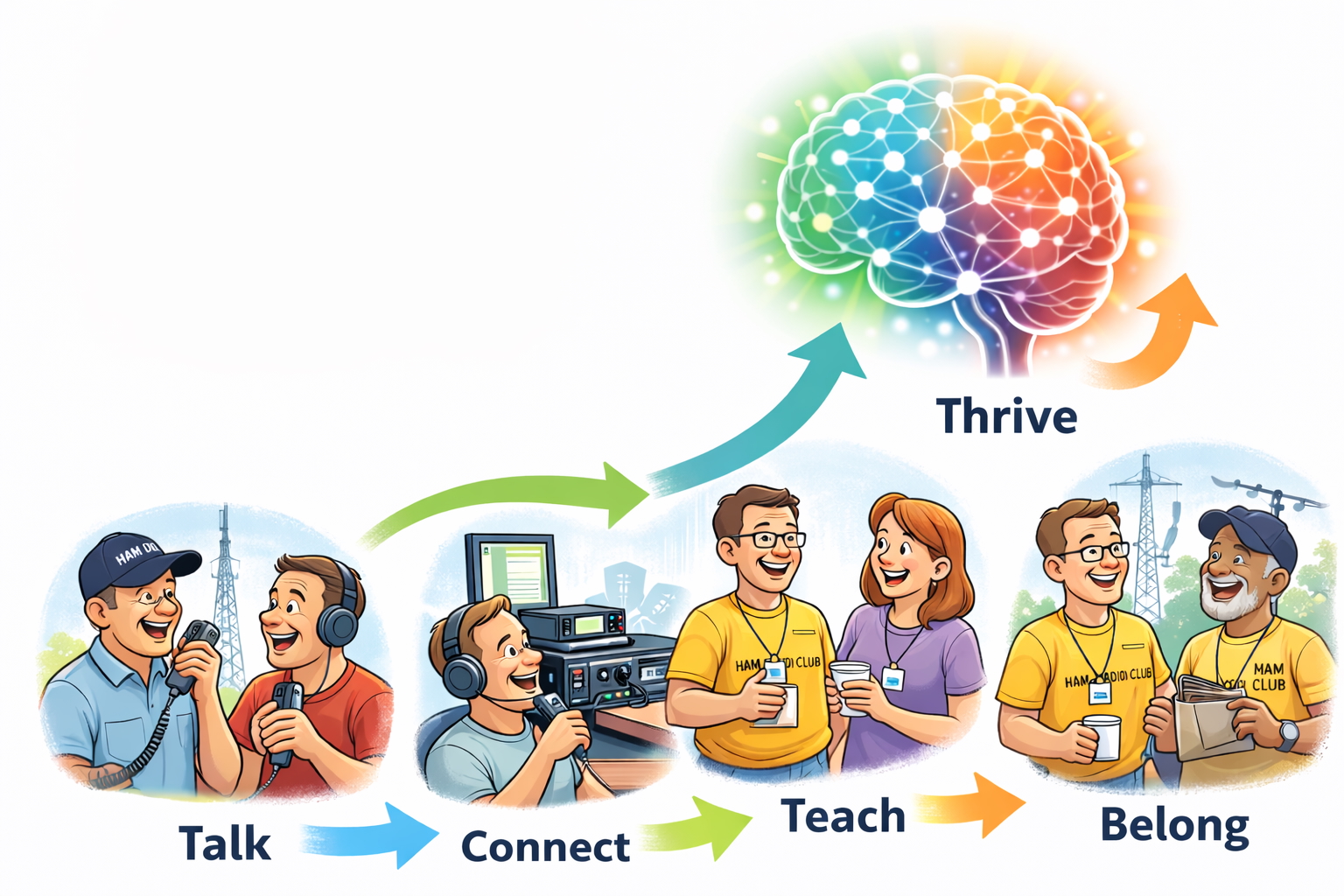
Whether you are new to mentoring, or whether you've had a long list of new hams you've brought into the Amateur Radio Services, the rest of us thank you for your service to others. Being engaged technically, as well as socially, with other hams is one of the very best things about ham radio. It's also great for the brain; recent science from many countries has shown that socially engaged people live longer lives and remain healthier.
VY 73 for now -- Dave, W7DGJ